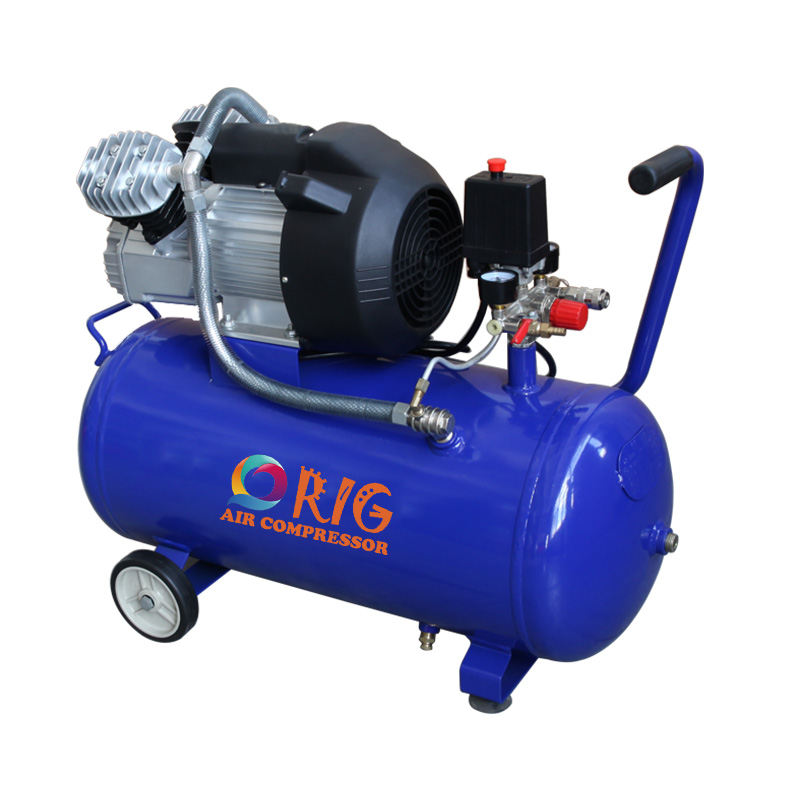
What is Air Compressor?
How Air Compressors Work
Air compressors are essential devices that convert power (using an electric motor, diesel or gasoline engine, etc.) into potential energy stored in pressurized air (compressed air). Here’s a basic rundown of how they operate:
1. Intake Stage: The compressor draws in atmospheric air through an intake valve. This air is at ambient pressure and temperature.
2. Compression Stage: As the air enters the compression chamber, it gets trapped between two surfaces – typically pistons, rotors, or screws – that move closer together, reducing the volume of the air space and increasing the pressure. This action compresses the air, raising its pressure.
3. Cooling Stage: During the compression process, the air's temperature rises. Many air compressors have intercoolers or aftercoolers to dissipate this heat, ensuring the compressed air remains cool.
4. Storage Stage: Once compressed, the air is stored in a tank or receiver. This storage allows for a steady supply of high-pressure air even when demand fluctuates.
5. Delivery Stage: When needed, the compressed air is released from the tank through an outlet valve. It can be directed through hoses or pipes to various tools and machinery.
6. Regulation Stage: The flow and pressure of the compressed air are controlled by regulators, which ensure that the right amount of pressure is delivered to the tool or equipment being used.
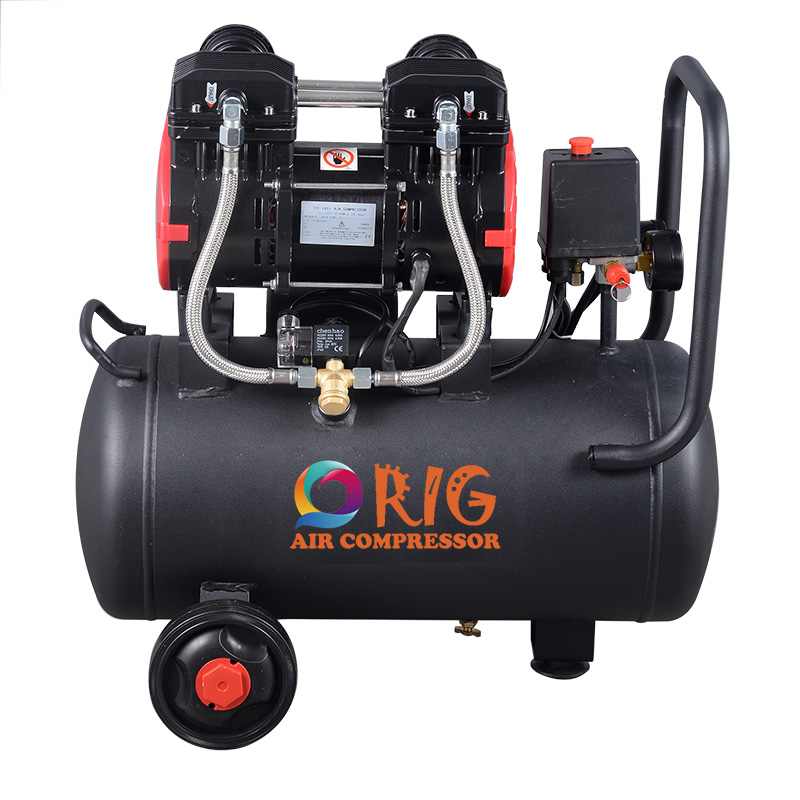
Benefits of Air Compressors
1. Versatility: Air compressors can power a wide range of tools and equipment, including nail guns, spray painters, sandblasters, and more. They are indispensable in various industries like automotive, construction, manufacturing, and even household DIY projects.
2. Efficiency: Compressed air systems are generally more energy-efficient than other power sources. They store energy in the form of compressed air, which can be quickly and easily converted to mechanical work as needed.
3. Durability and Low Maintenance: Air compressors are built to last with fewer moving parts compared to some other types of machinery. Routine maintenance usually involves simple tasks like checking oil levels, draining moisture from the tank, and replacing filters.
4. Safety: Using compressed air reduces the risk of electric shock, especially when working in wet conditions. Additionally, many air-powered tools are lighter and easier to handle than their electric counterparts.
5. Cost-Effective: While the initial investment in an air compressor may be higher, the long-term savings on energy bills and tool replacement costs make it a cost-effective choice over time.
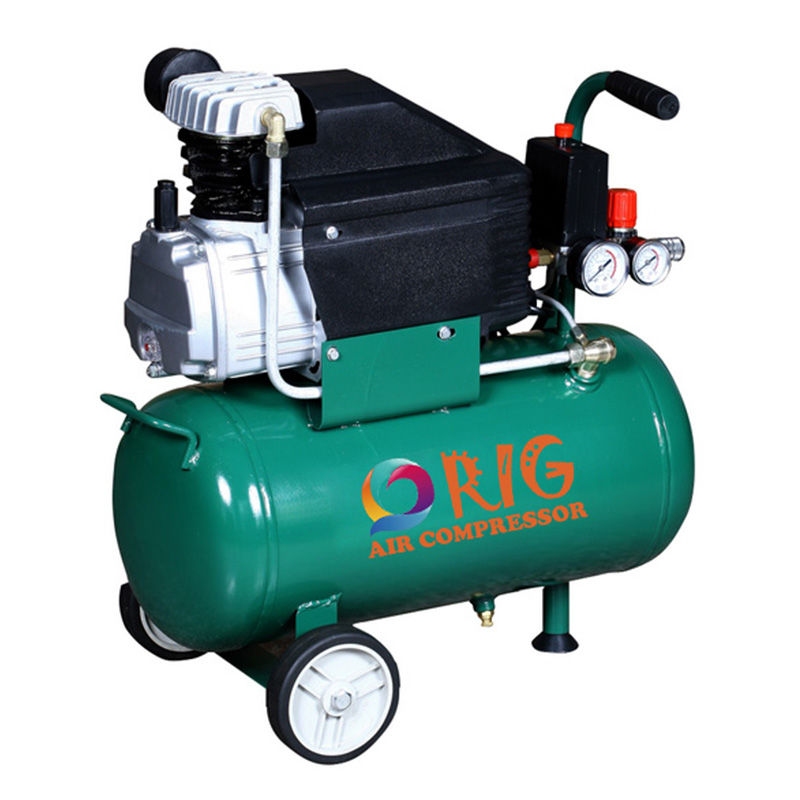
Why Should We Have an Air Compressor?
1. Increased Productivity: Air compressors enable faster completion of tasks compared to manual methods. For example, an air-powered nail gun can drive nails much quicker than a hammer.
2. Portability and Convenience: Portable air compressors can be easily moved around a workshop or job site, making them extremely convenient for various tasks.
3. Multi-Tool Compatibility: One air compressor can power multiple tools, reducing the need to purchase separate power sources for each device.
4. Consistent Performance: Unlike batteries or fuel cells that can deplete over time, an air compressor provides a consistent level of performance until the tank runs out of air.
5. Environmental Impact: Air compressors produce fewer emissions compared to gasoline or diesel engines, making them a more environmentally friendly option for powering tools.
6. Emergency Preparedness: Having an air compressor can be crucial during emergencies where electricity might fail but you still need to use power tools for repairs or critical operations.
In summary, air compressors are versatile, efficient, durable, and safe tools that offer numerous benefits across various applications. Whether for professional use in industrial settings or personal use in home projects, having an air compressor can significantly enhance productivity and convenience.