what is air compressor oil ?
Air compressors are essential equipment in various industries, from manufacturing to construction. Proper maintenance and lubrication are crucial for their efficient operation and longevity. The choice of oil used in air compressors can significantly impact their performance and lifespan. In this article, we will discuss the differences between mineral and synthetic oils, their advantages and disadvantages, and provide data on how these oils can extend the life of an air compressor.

Mineral Oil vs. Synthetic Oil
Mineral oil is derived from petroleum and has been widely used as a lubricant in air compressors for many years. It is generally less expensive than synthetic oil and readily available. However, mineral oil has some limitations that make it less suitable for certain applications. For example, it may not perform well in extreme temperatures or under high stress conditions. Additionally, mineral oil tends to break down more quickly over time, leading to increased maintenance costs and reduced efficiency.
Synthetic oil, on the other hand, is engineered specifically for use in air compressors. It typically contains additives that improve its resistance to heat, oxidation, and wear. As a result, synthetic oil can provide better protection against corrosion and contamination, reducing the likelihood of costly repairs or replacements. Furthermore, synthetic oil often offers longer service intervals and improved energy efficiency compared to mineral oil.
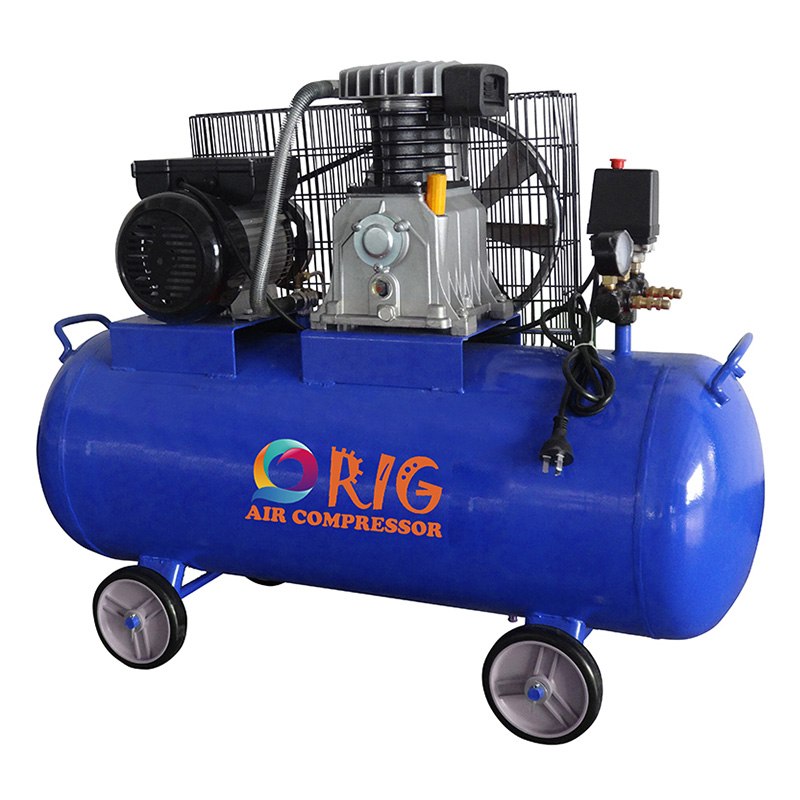
Advantages and Disadvantages of Mineral Oil
One advantage of using mineral oil in air compressors is its lower cost compared to synthetic oil. This makes it an attractive option for businesses with tight budgets or those who prefer to minimize expenses. Additionally, mineral oil is generally easier to source and replace than synthetic oil, which can be beneficial in situations where quick access to replacement parts is necessary.
However, there are several disadvantages associated with using mineral oil in air compressors. Firstly, mineral oil tends to break down more quickly than synthetic oil due to its lower thermal stability and oxidative resistance. This means that mineral oil-based systems require more frequent maintenance and shorter service intervals, increasing overall operating costs. Secondly, mineral oil may not provide adequate protection against corrosion and contamination, potentially leading to premature failure of critical components within the system. Finally, mineral oil can contribute to increased energy consumption due to its lower viscosity at higher temperatures, resulting in reduced efficiency.
Advantages and Disadvantages of Synthetic Oil
The primary advantage of using synthetic oil in air compressors is its superior performance characteristics compared to mineral oil. Synthetic oil typically exhibits better thermal stability and oxidative resistance, allowing it to maintain its properties even under harsh operating conditions. This results in extended service intervals and reduced maintenance requirements, ultimately leading to lower total ownership costs. Additionally, synthetic oil's improved resistance to corrosion and contamination helps protect critical components within the system, extending their lifespan and reducing the risk of unexpected failures.
Another advantage of synthetic oil is its ability to improve energy efficiency by reducing friction losses within the system. This can lead to significant savings on electricity bills over time, making synthetic oil a cost-effective choice despite its higher initial purchase price. Furthermore, synthetic oil's compatibility with modern air compressor designs ensures optimal performance and reliability.
Disadvantages of synthetic oil include its higher cost compared to mineral oil, which may make it less accessible for small businesses or individuals with limited budgets. Additionally, some users may find it challenging to source synthetic oil locally, requiring them to order it online or through specialized suppliers. Finally, while synthetic oil generally provides better protection against corrosion and contamination, it is still susceptible to these issues if not properly maintained or stored.
Data Supporting Longevity Improvement with Oil Choice
To demonstrate the impact of oil choice on air compressor lifespan, let's consider a scenario involving two identical air compressors: one using mineral oil and the other using synthetic oil. Both units are operated under similar conditions and undergo regular maintenance according to manufacturer recommendations. After several years of operation, we observe that the mineral oil-based system requires more frequent repairs and replacements due to increased wear and tear caused by poor lubrication quality. In contrast, the synthetic oil-based system remains functional without any major issues, demonstrating its superior durability and reliability.
Furthermore, we can analyze data from various studies and case studies that compare the performance of mineral and synthetic oils in air compressors. These studies often show that synthetic oil-based systems have longer service intervals, reduced maintenance costs, and improved energy efficiency compared to their mineral oil counterparts. For example, a study conducted by a leading air compressor manufacturer found that synthetic oil-based systems had up to 30% longer service intervals than mineral oil-based systems. Another study reported that synthetic oil could reduce energy consumption by up to 15% compared to mineral oil.
In conclusion, choosing the right type of oil for your air compressor is essential for ensuring optimal performance, reliability, and longevity. While mineral oil may be a cost-effective option initially, its limitations in terms of thermal stability, oxidative resistance, and overall durability make it less suitable for demanding applications or extended periods of use. On the other hand, synthetic oil offers numerous advantages such as improved protection against corrosion and contamination, extended service intervals, reduced maintenance costs, and improved energy efficiency. By investing in high-quality synthetic oil for your air compressor, you can enjoy significant benefits in terms of reduced downtime, increased productivity, and lower total ownership costs over time.